A home solar system is more than the panels on the roof. This guide walks through each part, what it is there to do, and the plain questions worth asking before you agree to any equipment list.
Panel material close-up · illustrative licensed footage, not Bright Ray work
One system, connected parts
01
Solar panels
Collect sunlight and produce direct current electricity. The number, size and orientation of panels set how much the roof can generate.
Document to ask for: Panel data sheet
What is the rated output of each panel and how many are proposed?
02
Mounting system
Holds the panels firmly to the roof, spreads the load and keeps the roof covering weathertight around each fixing.
Document to ask for: Mounting layout plan
How will the panels be fixed to my roof covering?
03
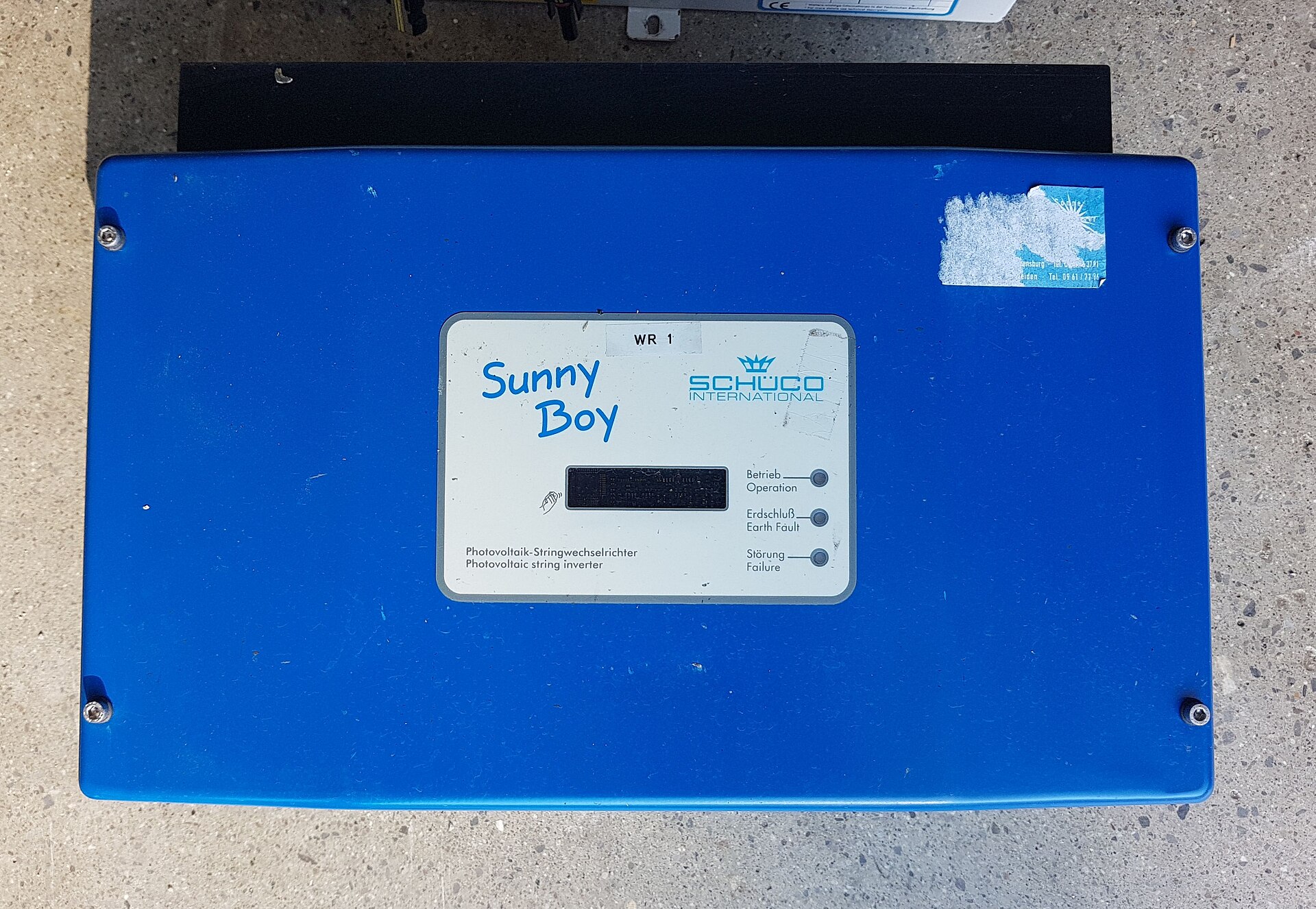
Inverter
Converts the direct current from the panels into the alternating current used in the home and manages the connection to the property's wiring.
Document to ask for: Inverter data sheet and manual
What size of inverter is proposed and where will it be fitted?
04
Isolators and protection
Allow the system to be switched off safely on the panel side and the household side, and protect the wiring from faults.
Document to ask for: Shutdown instructions
Where are the isolators and are they clearly labelled?
05
Cabling
Carries electricity from the panels to the inverter and on to the consumer unit, routed and protected to suit the building.
Document to ask for: Wiring and route record
Where will the cables run inside and outside the house?
06
Meter
Records electricity bought from, and where applicable sent to, the grid so that billing and any export payments can be worked out.
Document to ask for: Metering details
Will new metering be needed and who arranges it?
07
Monitoring
Shows how much the system is producing, usually in an app or on a display, so changes in output are easier to notice.
Document to ask for: Monitoring set-up guide
What can I see in the monitoring and does it need Wi-Fi?
The main parts of a home solar system
Sunlight is turned into usable household electricity by a chain of parts, each with its own job. Knowing the chain makes quotes easier to read, because you can see where each line fits.
The numbered callouts on the diagram match the rows in the question table below.
Panels
Collect sunlight and produce direct current electricity. Their rated output, size and layout shape how much a roof can hold.
What is the rated output of each panel, and how many are proposed?
Mounting system
Rails, brackets and fixings that hold the panels to the roof securely and let water and air pass safely.
How will the panels be fixed to my roof covering, and who checks the roof structure?
Inverter
Converts the direct current from the panels into the alternating current your home uses.
What size of inverter is proposed, and where will it be fitted?
Isolators and protection
Switches and protective devices that let the system be disconnected safely for maintenance or in an emergency.
Where are the isolators, and are they labelled and easy to reach?
Cabling
Carries electricity between the panels, inverter and consumer unit. Route, protection and labelling all matter.
Where will cables run inside and outside the house?
Meter
Records electricity imported from, and where relevant exported to, the grid. It may be separate from generation metering.
Will any new metering be needed, and who arranges it?
Monitoring
Shows what the system is producing, usually through an app or display, so you can spot changes over time.
What can I see in the monitoring, and does it need a Wi-Fi connection?
What to ask about each part
For every part, the same five questions help: what is the specification, will it work with the other parts, where does it go, what happens when it needs replacing, and what documents come with it.
Choosing a component by name alone is rarely enough. A good answer explains how the parts work together in your home.
Specification
Ask for the make, model, rated size and key figures in writing for panels, inverter and any battery or monitoring unit.
Can I have the full specification for every item before I decide?
Compatibility
The inverter must suit the panel arrangement, and any later battery or charger should be able to connect to it.
Will this inverter work with a battery or other additions later?
Location
Think about heat, damp, access and noise for the inverter, and shading and roof access for the panels.
Where will each item sit, and is it reachable for servicing?
Replacement
Inverters and monitoring units often need replacing before panels do. Ask what that would involve.
What is the expected life of the inverter, and how would it be replaced?
Documentation
Each part should come with data sheets, manuals and warranty terms you can keep with the house papers.
Which documents will I receive for each item?
Paperwork that should come with the equipment
Keep everything together in one folder, paper or digital. It helps with servicing, insurance questions, a future sale and any warranty claim.
Data sheets
Manufacturer specifications for the panels, inverter and any other major equipment installed.
Are data sheets included for every major part?
Installation records
A record of what was installed, where, and by whom, including the layout of the panels on the roof.
Will I receive a layout plan and an equipment list?
Commissioning documents
Evidence that the system was tested and handed over, along with the settings used when it was switched on.
What test and handover records will I be given?
Manuals and user guides
Instructions for the inverter, monitoring and shutdown, so anyone in the household knows how to isolate the system.
Will I be shown how to shut the system down safely?
Warranty documents
Terms for each item and for the workmanship, including who to contact and what is covered.
Who do I contact about each warranty?
What this guide does not cover
This is general guidance to help you ask better questions. It does not recommend particular products, brands or sizes, and it is not a statement of what Bright Ray supplies.
If you would like to know whether Bright Ray can supply or advise on any of the equipment discussed here, ask us directly and we will tell you what is and is not within our scope.
Keep exploring
Start with one email
Ask what equipment Bright Ray can help with
Tell us about your home and which parts you are asking about, and we will explain what we can and cannot help with before you go any further.