
Bright Ray / Your home, considered

Is your roof ready for solar panels?

Before anyone talks about panels, it helps to know what your roof faces, what shades it and what condition it is in. This checklist covers what you can note safely from the ground, and where a professional needs to take over.

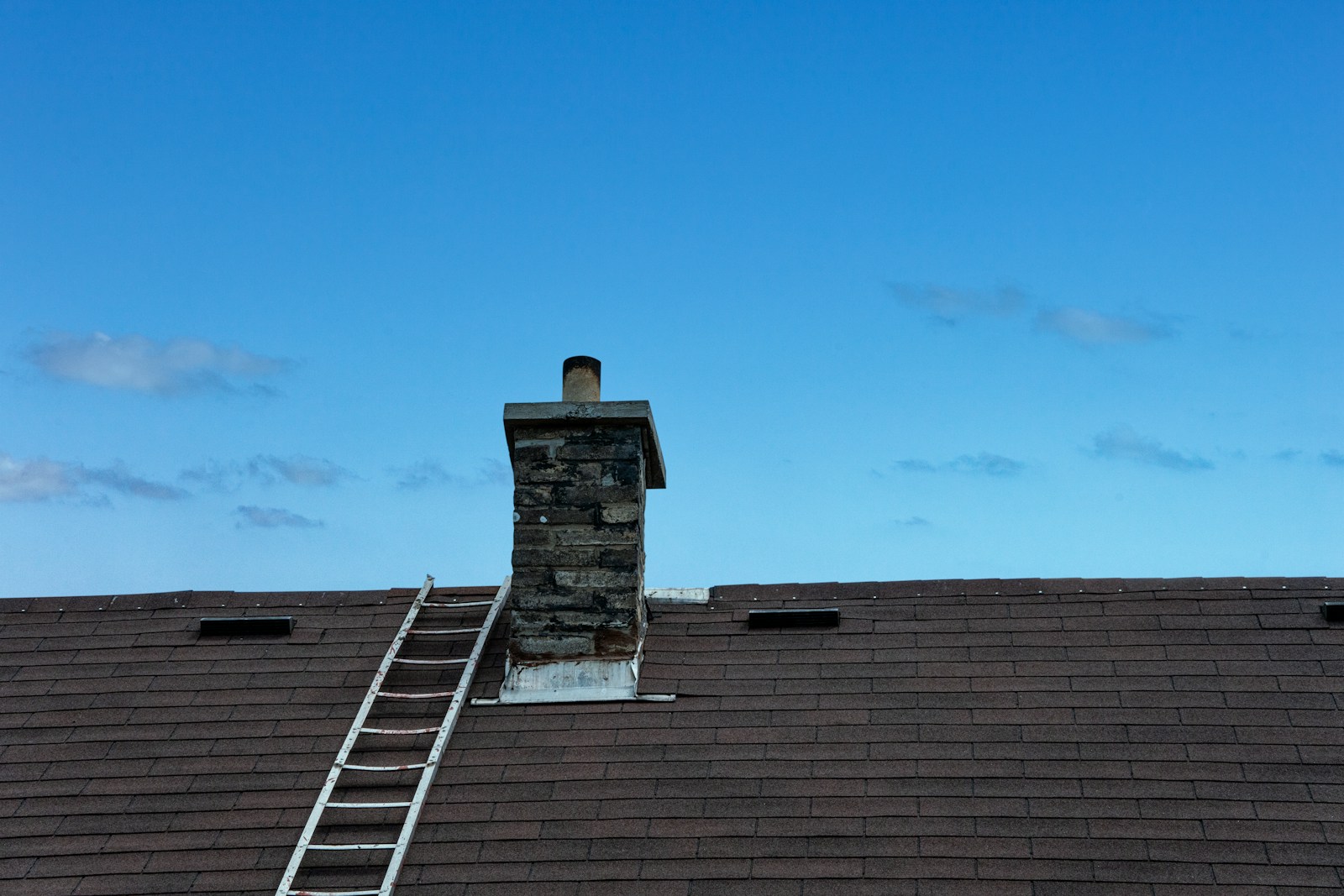
A tiled house roof with chimney and ladder; roof condition context.

Six observations, from the ground

01

Direction each slope faces

Slope direction influences how much sun a roof receives, so it shapes which parts might suit panels.

Use an online map or a compass app from the ground. Note each slope separately, such as south-east or north-west. Never go on the roof.
02

Shade from trees and buildings

Shade on part of a roof can reduce how useful that area is, and it changes between seasons and times of day.

Look from the garden or pavement at different times of day and note chimneys, trees and neighbouring buildings. Photographs from the ground are enough.

03

Open roof space

The amount of clear, usable roof space is one of the things that limits how many panels could be considered.

Describe each slope from the ground: rooflights, vents, flues, dormers and aerials. A rough sketch is plenty for a first conversation.

04

Roof age and condition

A roof that needs repair soon is easier to fix before equipment is attached than afterwards.

Check paperwork, survey reports or previous owners' notes, and look for slipped tiles or stains from the ground and in the loft.

05

Access to the roof and loft

Safe access affects how work could be carried out and what arrangements would need to be discussed in advance.

Note side or rear access, narrow paths, parking and the loft hatch. Do not test access by climbing. Simply describe what you see.

06

Who owns or controls the roof

If you rent, own a leasehold home or share a building, others may need to agree before anything is fixed to the roof.

Check your lease, tenancy agreement or title documents, or ask your landlord or managing agent. Keep their reply with your notes.

Which way does your roof face?

The direction a roof slope faces affects how much sunlight reaches it through the day. You do not need a compass reading to the degree; a rough note such as south-east or west is a useful starting point for any conversation.

Many homes have more than one usable slope, and the front and back of a house often face opposite ways. Note each slope separately rather than describing the house as a whole.

Use a map, not a ladder

An online map or a compass app on your phone, held at ground level, is enough to note which way each slope faces.

Which slopes on my roof could be considered, and how would you confirm their direction?

Note every slope

Write down each main slope, including extensions, garages and outbuildings, so nothing is overlooked.

Roof pitch

A steep or shallow roof can change how equipment is fitted. A rough description such as steep, average or flat is enough for now.

Does the pitch of my roof affect how a system could be fitted?

What shades your roof?

Chimneys, dormers, trees, neighbouring buildings and even a satellite dish can cast shade across part of a roof. Shade matters most when it falls on the same area for long periods.

Shade also changes with the seasons. A tree in full leaf, or a low winter sun behind a neighbouring house, can behave very differently from how it looks on a bright summer afternoon.

Look at different times of day

If you can, glance at the roof in the morning, at midday and in the late afternoon, and note where shadows fall.

How would you assess shade across the year rather than from one visit?

Trees and growth

Trees grow. Note any that are close to the roof or likely to be taller in a few years, and whether they belong to you.

Neighbouring buildings

Taller neighbouring buildings can shade a roof at low sun angles, particularly in winter.

Would nearby buildings affect any part of my roof?

Is your roof in good condition?

Solar equipment is fixed to the roof and is expected to stay there for many years. If the roof needs repair soon, it is usually sensible to sort that out first rather than lift panels later.

Gather what you already know: the approximate age of the roof, whether it is tile, slate or another covering, and any repairs or leaks in the past.

Age and covering

Note the roof's approximate age and covering type. Paperwork from a previous owner or a survey report can help.

Does the type or age of my roof covering change how a system would be fixed?

Known repairs and problems

Record any slipped or cracked tiles, past leaks, patched areas or damp in the loft.

Loft and access hatch

Note whether your loft is accessible and whether it is boarded or full of stored items, as this may affect how cables are run.

What access to the loft would be needed?

What you cannot judge yourself

A ground-level checklist helps you prepare, but it is not a roof assessment. Whether a roof can carry the extra weight, how equipment should be fixed and whether the roof can be reached safely all need a competent professional to inspect it.

Please do not climb onto a roof to take measurements or photographs. Zoomed phone photographs from the ground, or from a safe upstairs window, are enough for an initial conversation.

Structure and loading

Only a qualified person can tell whether the roof structure suits the added weight and wind loading of a system.

Who carries out the structural check, and what do they need from me?

Fixing method

How equipment is attached depends on the roof covering and structure, and must not compromise weatherproofing.

How would equipment be fixed to my type of roof, and who is responsible for the roof afterwards?

Safe access

Scaffolding or other access arrangements depend on the building, and they should be discussed before any work is agreed.

Ownership and permissions

If you rent, own a leasehold flat or share a building, check who owns the roof and whether anyone else must agree.

Is my roof something I can use, or does someone else need to consent?

Start with one email

Not sure what to note down first?

Send us your roof notes and ask what kind of assessment, if any, Bright Ray can provide for your home.

Illustrative home comfort concept; not a real location or a Bright Ray project.
Illustrative home concept