Generation seems lower than before
Record the date it began, the weather and any shading changes such as new tree growth.
Could shading, equipment or monitoring explain the drop?

Bright Ray / Your home, considered
If you own a home with solar panels already on the roof, the most useful first step is to gather what you know about the system. These notes help you find the right records, describe a concern clearly and know who to ask first.
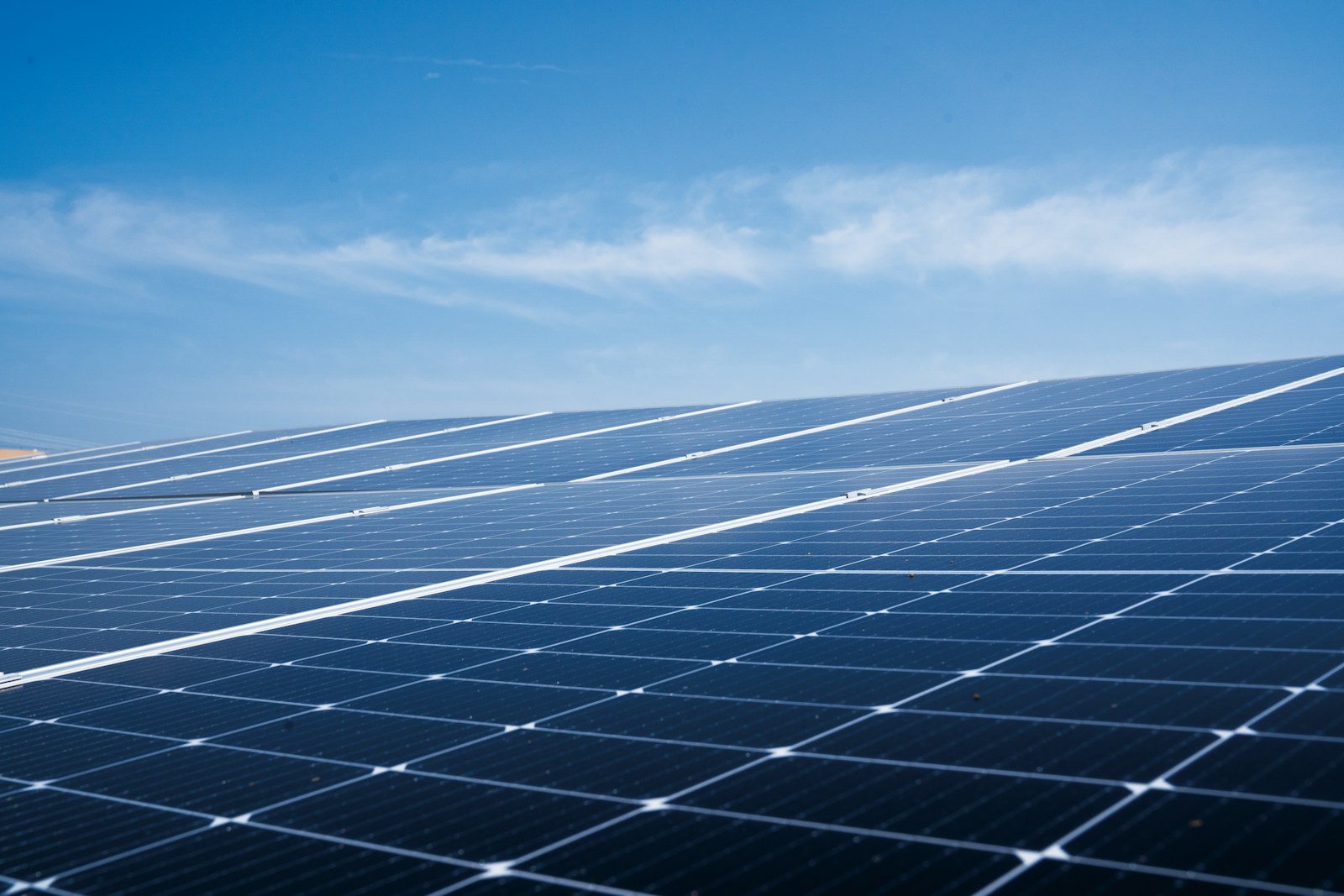
Keep the records you can find ready for your enquiry.
Record the date it began, the weather and any shading changes such as new tree growth.
Could shading, equipment or monitoring explain the drop?
Write down the message or light colour and photograph the display without opening anything.
What does this message mean and who should check it?
Note when you last saw it working and whether there was a power cut or electrical work nearby.
Who is responsible for checking the system now?
Describe only what you can see from the ground. Never go onto the roof to check.
Who can assess this safely and in what order should I contact them?
Whether you installed the system yourself, bought it with the house or inherited it from a previous owner, the same handful of documents answers most questions. Having them to hand saves time with any provider you contact.
If some are missing, that is common. Note what you cannot find, because a gap is itself useful information for whoever you ask.
The company name, contact details and the month and year the system was fitted.
Who installed the system, and are they still trading?
Panel make and model, inverter make and model, and any battery or monitoring device.
Which panels, inverter and extras were fitted?
The paperwork handed over when the system was finished and switched on.
Is there a completion or commissioning certificate?
Separate warranties may exist for panels, inverter, batteries and workmanship, each with its own term.
Which warranties apply, and who is the named provider?
Any notification or export arrangement made with your network operator or energy supplier.
Was the system notified to the network operator, and is any export arrangement in place?
An app or portal showing generation can help show when a problem started.
Is there a monitoring account, and whose name is it in?
A clear description helps the person you contact work out what might be happening without guessing. Write down what you can observe from indoors or from the ground, with dates, and leave diagnosis to the provider.
The table below pairs common observations with what to note and a sensible question to open with.
Note when it started, the weather, and whether monitoring shows a sudden or gradual change.
Could this be shading, equipment or a monitoring issue?
Note any message, code or light colour and when it appears. A photograph helps.
What does this message mean and who should look at it?
Note when you last saw it working and whether there has been a power cut or other electrical event.
Who is responsible for checking the system?
Note anything seen from the ground, such as a slipped tile, debris or a cracked panel. Do not go up to look.
Who should assess this safely?
Solar panels produce electricity whenever there is light, and roofs are dangerous places. Do not climb onto the roof, move panels, open the inverter or touch wiring to investigate a fault.
Cleaning, repairs and electrical checks should be left to a suitably qualified provider. If you see smoke, burning smells, sparks or damaged cabling, treat it as an emergency and contact the emergency services.
Leave work at height to people with the right equipment and training.
Do not open or adjust the inverter, isolators, consumer unit or cabling.
For smoke, fire or exposed wiring, keep clear and call the emergency services.
Bright Ray Solar Limited is a domestic solar company. We have not confirmed that we work on existing systems, so please do not assume we do.
If you would like to ask, email [email protected] with your records and a short description of the concern, and we will tell you plainly whether it is something we can help with.
Your town, the installer and install date if known, equipment details and what you have noticed.
Is this something Bright Ray can help with?
A reply on whether the question falls within what we do, or a suggestion of who to ask instead.
Start with one email
Send us your records and a short description. We will say clearly whether your question is something Bright Ray can help with.